An unusual origin and an elaborate tasting note can make a bag of coffee sound like a collector’s object. In the kitchen, it still has to suit your grinder, water, brewing method and preferred cup. Start with a coffee you enjoy already and identify what you would like to change. That is a more useful brief than searching for the world’s most exclusive beans.
Keep one familiar reference
Write down the name, roast description and method of a coffee that works for you. Add an ordinary observation: pleasant with milk, too sharp as a filter brew, or easy to make before work. These notes give a roaster something useful to respond to. You do not need specialist vocabulary to explain that you want a sweeter-seeming or less intense cup.
If you are changing coffee and equipment together, it becomes harder to tell what caused the difference. Keep the brewer and recipe familiar while trying a new bag, then adjust deliberately. A rare or expensive coffee does not bypass the need to find a suitable grind and method.
Read origin and processing without turning them into a score
A country, region, producer or variety can provide useful context, but none alone guarantees a flavour you will enjoy. Processing and roasting also shape the result. Ask the roaster what information is known about the lot and how the coffee is intended to be brewed. Treat a tasting note as a description of possible associations, not a promise that the drink contains those ingredients.
For a gift, a recipient’s brewing method matters more than an impressive story. Whole beans may be the wrong format for someone without a grinder, while a grind chosen for one brewer may not suit another. Confirm the practical details before paying for a limited release that the recipient cannot easily use.
Use the roast information as part of the decision
Look for the roast date and the roaster’s advice for the actual coffee. The Specialty Coffee Association’s work on freshness describes changes over time rather than a single universal best day for every bean and method. Avoid turning a generic rest-period rule into a guarantee. A coffee roasted very recently may need different handling from a familiar bag you have already learnt to brew.
Buy an amount you can use within a sensible routine, and follow the storage guidance supplied. A large bag can reduce the price per gram but still be inconvenient if it stays open for a long time. Share a larger order only when the portions can be stored and used appropriately, rather than assuming bulk is always the better value.
Compare the cup fairly
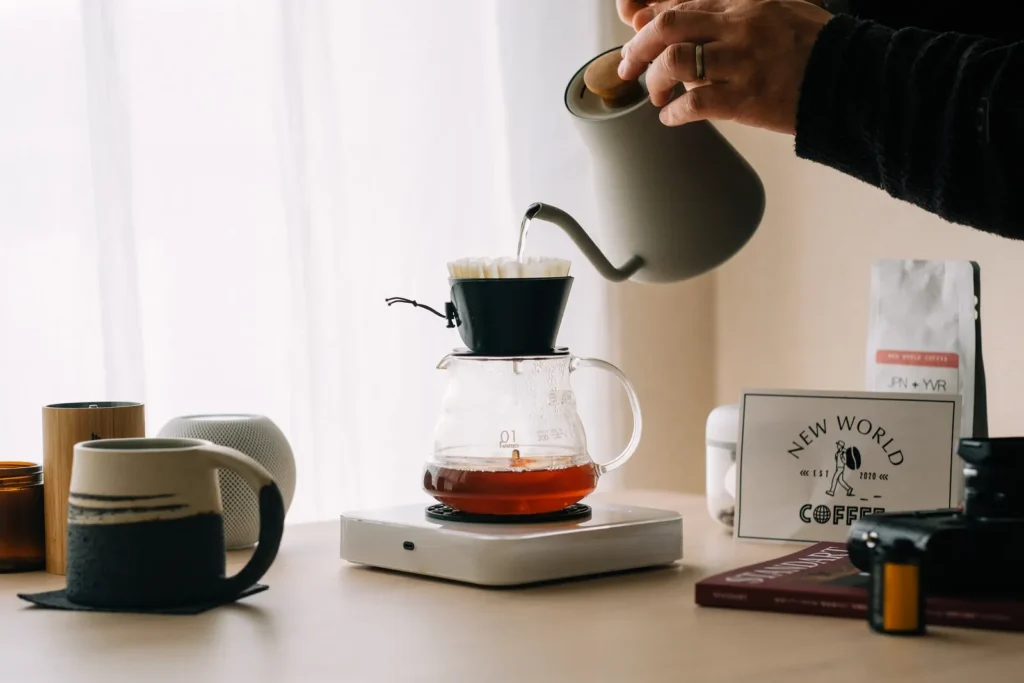
Use a measured amount of coffee and water and keep a short note of the recipe. Change one major variable at a time so you can learn from the result. If the cup is disappointing, ask the roaster for a starting recipe for your brewer before deciding the coffee is poor. The problem may be a mismatch between the product and your preparation.
Try the coffee the way you actually drink it. A description based on black filter coffee may not tell you how it behaves in a small milk drink. If milk is part of the routine, include that in the comparison rather than treating it as an incorrect way to enjoy an expensive bag.
Pay for useful information and a cup you enjoy
Traceability, careful roasting and a small production lot may justify a price for some readers, but they do not create a universal ranking. Set a budget for ordinary use and a separate amount for an occasional experiment if you want one. The successful purchase is a coffee you can prepare well and want to drink again, with its story adding context rather than doing the work of the cup.
More considered stories,
from the Liberad journal.