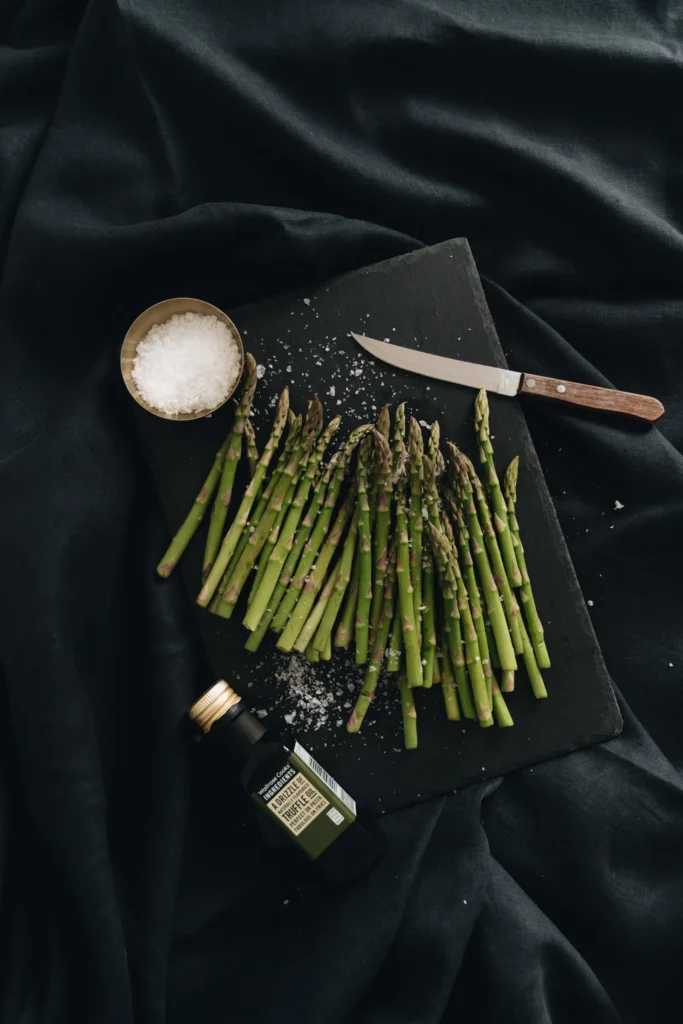
A few drops of flavoured oil and a spoonful of compound butter can lead a dish in different directions. One adds a liquid finish; the other can melt into the food and contribute a richer texture. Before deciding which sounds more luxurious, decide what the plate is missing and read what is actually in the product.
Start with the base ingredient
Compare the oil or butter itself, then the truffle component and any flavourings. Products do not all use the same formulation, and the phrase on the front is not enough to establish the species, quantity or source of the aroma. A visible piece of truffle in a bottle does not tell you everything about the flavouring or the base oil.
Read the ingredient list and any percentage information for the exact product. Urbani’s UK oil listing is one manufacturer example of this category, rather than evidence that all truffle oils are made alike. If provenance or a particular truffle species is central to the price you are willing to pay, look for the specific statement and ask the maker where it is unclear.
Match the texture to the plate
For an oil, think about a finish that stays liquid: a measured addition to a prepared dish rather than an automatic substitute for every cooking oil. For butter, consider whether its texture and dairy character suit something you want to coat or enrich. Follow the product’s own cooking and serving instructions, since the formulation and intended use can differ.
A simple worked example is a bowl of plain potatoes. If you want a glossy drizzle while keeping the texture relatively separate, an appropriate oil may fit that brief. If you want a softer, richer coating, a suitable butter may be more convenient. These are serving choices, not results of a comparative tasting or a claim that one product is universally superior.
Keep the other flavours in view
Strong garlic, smoked ingredients or several aromatic toppings can make it difficult to judge the addition. Start with a simple base and the maker’s suggested amount, then taste before adding more. More aroma is not automatically more balance. Leave room for salt, acidity and texture to do their own jobs.
Check whether the butter is salted and whether the oil or other seasoning already contributes salt or flavour. If guests are choosing their own portions, offering an appropriate finish separately can be more useful than coating the entire dish in a strong ingredient. It also avoids making one person’s preferred intensity the default for everyone.
Read dietary and storage information separately
Butter normally brings a milk ingredient into the comparison, while an oil-based product still needs its own ingredient and allergen check. Do not assume every flavoured oil is vegan or free from ingredients relevant to your guests. Keep labels available and take specific dietary requirements seriously rather than inferring suitability from the category name.
Compare the storage requirements, use-by or best-before information and instructions after opening. A smaller jar or bottle may make more sense when the flavour is an occasional finish in your kitchen. Keep track of the opening date if the label gives a limited period for use. Do not create a homemade storage rule from how another brand handles its product.
Neither replaces the fresh-truffle question
A flavoured oil, compound butter and fresh truffle are different purchases with different compositions and uses. If the dish or occasion specifically calls for fresh truffle, do not expect a packaged finish to reproduce every part of that experience. Conversely, a convenient finishing ingredient can be useful when its actual flavour and role are what you want.
Choose the option whose base, composition and texture fit the dish you plan to cook. Buy a manageable amount, keep the label and use it deliberately. The meaningful distinction is not which name feels more extravagant; it is what the ingredient will do on your own plate.
More considered stories,
from the Liberad journal.