“Something natural” can be the beginning of a conversation with a wine merchant, but it is not yet a description of the bottle you want. A fresh white for dinner, a textured orange wine and a lighter red can all sit beneath the same broad shop heading. Start with the occasion, food and flavours, then ask what the producer actually did.
Give the merchant a usable flavour brief
Describe a wine you enjoyed or a characteristic you want to avoid. “Dry, not too aromatic, to drink with vegetables” leaves less room for misunderstanding than “interesting and natural”. If the bottle is unfamiliar, ask how it is expected to taste and whether a similar wine is available by the glass or in a smaller format.
A cloudy appearance, unusual colour or unfamiliar aroma is not a complete quality assessment. Nor is a conventional-looking bottle evidence that the wine falls outside a maker’s low-intervention approach. Do not buy a deliberately unfamiliar style simply because you feel a category should be challenging. Your enjoyment remains a valid criterion.
Ask what the term means for this bottle
Look for the producer, region, vintage and any named certification or production charter. The French Vin Méthode Nature scheme, for example, has its own published requirements. A defined voluntary scheme is more specific than a loose use of the word natural, but it is not a universal description of every wine sold beneath that heading in a UK shop.
Keep different claims separate. Organic growing, biodynamic certification and particular cellar practices concern different aspects of production. Ask which are documented for the bottle in front of you. A merchant’s enthusiasm can be helpful, yet should not replace a clear explanation when a production method is central to your purchase.
Do not translate production language into health promises
Natural, organic or low-intervention wording does not make a wine alcohol-free, suitable for every diet or a way to avoid the effects of drinking alcohol. Read the actual alcohol information and relevant allergen details. Do not assume the style eliminates the possibility of a reaction or a hangover, or use a production story as a reason to drink more.
If a medical, dietary or personal reason makes a particular ingredient or alcohol content important, obtain reliable product information and appropriate advice. Choosing a non-alcoholic drink or no drink at all remains an equally reasonable part of an occasion. The category should expand a choice, not create pressure to participate.
Plan serving and storage before opening
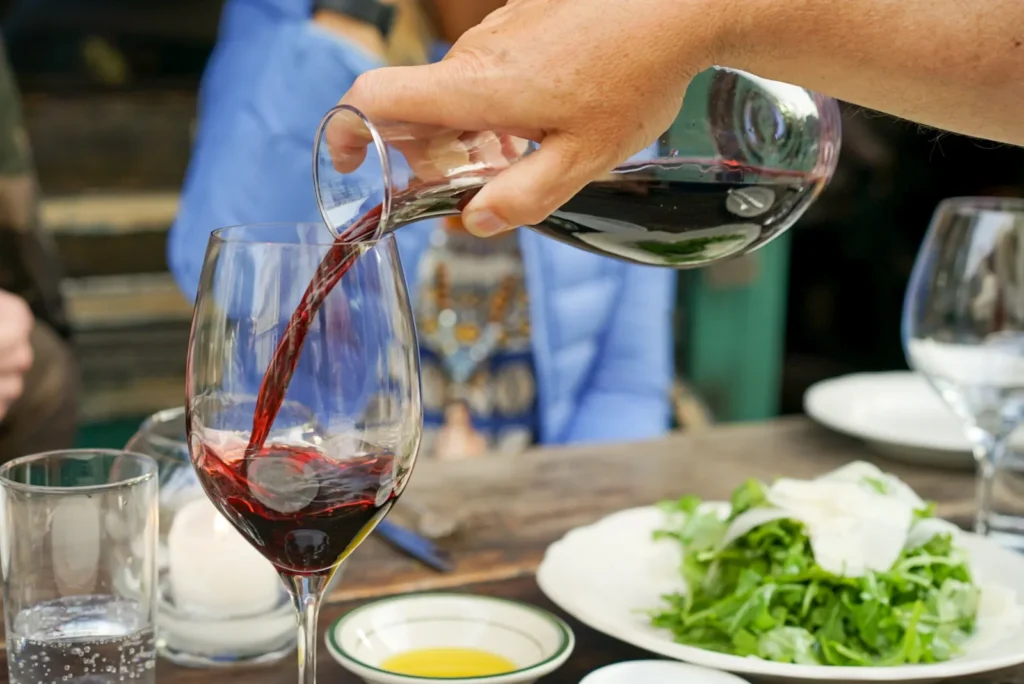
Ask the seller how the actual bottle should be stored and served, especially when buying something unfamiliar. Follow that advice rather than applying one temperature or decanting rule to an entire category. If the wine changes after opening, keep notes that describe what you notice rather than trying to fit it into an expected vocabulary.
For a dinner, choose a bottle that works with the menu and the guests’ preferences rather than making it an exam. Have suitable glasses and a straightforward alternative available. A host does not need to give a lecture on production before a guest can decide what they would like to drink.
Keep the label, not just the category
When you enjoy a bottle, record its exact name and vintage, the food and a few words about the style. That helps you find a related wine more reliably than returning to the word natural alone. If you dislike it, identify whether the difficulty was sweetness, acidity, texture or another feature so the next recommendation can be more precise.
A useful natural-wine purchase combines an appealing style with production information you understand. It does not need a claim to moral superiority or an invented tasting score. Ask the narrower questions and let the actual bottle, rather than the umbrella term, earn its place at the table.
More considered stories,
from the Liberad journal.