Read the year as part of the wine’s identity
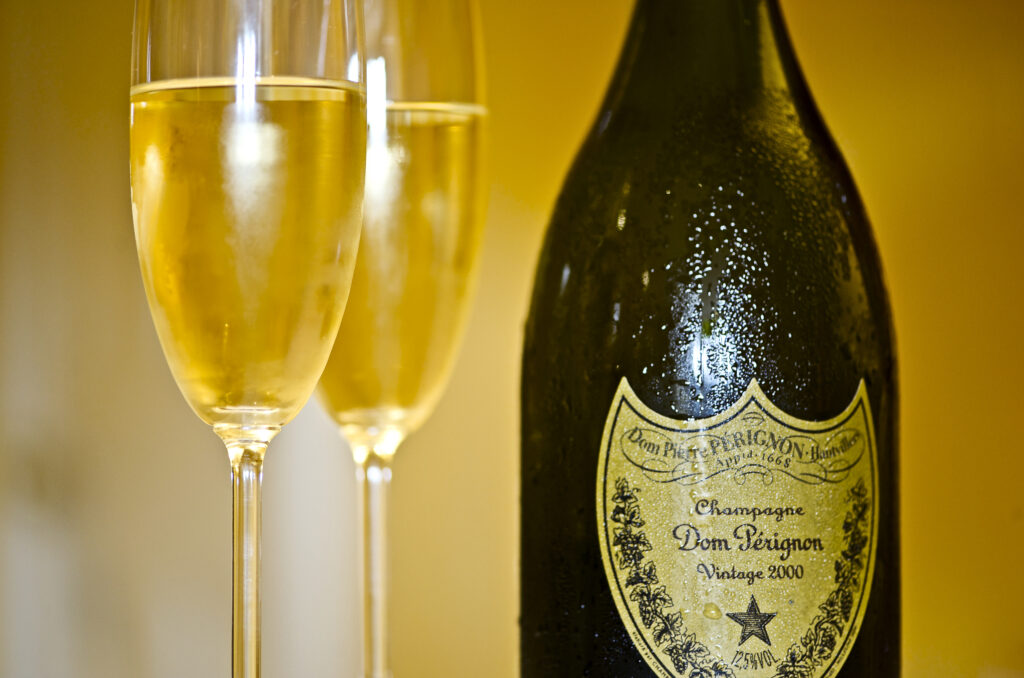
When comparing Dom Pérignon, do not reduce the decision to finding the lowest price beside the familiar label. The harvest year and release are part of what you are buying. A listing that omits them leaves out information needed for a fair comparison, particularly when the bottle is intended for someone who already knows Champagne.
LVMH’s maison profile describes Dom Pérignon as vintage only: the house works with a single harvest and may choose not to declare a vintage. That makes the year more than a decorative anniversary number. A birth-year gift can be thoughtful, but the year alone does not establish the condition, readiness or drinking character of the bottle offered for sale.
Explore Dom Pérignon’s official website ↗
Distinguish the release from the harvest
The producer also uses the idea of Plénitude for extended maturation. A later-matured release is not simply an ordinary bottle that a shop has held for longer. Read the exact description and ask the merchant to identify the release clearly. Comparing two offers requires matching more than the harvest year.
For a recipient interested in a particular vintage, find out which release they mean before ordering. If they simply enjoy Champagne at dinner, a complex collector-oriented purchase may create more uncertainty than pleasure. It is reasonable to choose another wine that better matches the occasion rather than stretching the budget to obtain the name.
Ask about the bottle in front of you
With an older bottle, provenance is a practical question. Ask the seller where it came from, how it has been stored and whether the image represents the actual item. Request clear information about condition and the seller’s process for dealing with a problem. A presentation box can protect the look of a gift; it cannot prove the history of the wine inside.
Read a condition description carefully and keep the invoice and relevant correspondence. An unusually low price is a reason to investigate the details, not evidence of a bargain. If a retailer cannot explain the release or provenance, consider a different seller rather than hoping that a famous brand makes the uncertainty unimportant.
Match the gift to the way it will be used
There is a difference between a bottle for a planned dinner, a collector’s addition and a present that may remain unopened for years. For the dinner, confirm timing and allow sensible time for delivery. For the collector, ask about the exact release and preferred source. For an uncertain recipient, establish that they want an alcoholic gift at all.
Do not promise that buying a bottle will produce a financial return. Resale value, storage costs and future demand are separate questions; this guide is about choosing a wine for personal enjoyment or a gift. A gift recipient should not inherit an implied obligation to cellar or resell an expensive object.
Plan an uncomplicated service
Comité Champagne publishes general guidance on chilling and serving, while the producer and a knowledgeable merchant can advise on a particular release. Arrange suitable storage after delivery and follow the guidance relevant to the bottle. If serving it with food, tell the merchant what you plan to eat and what the guests usually enjoy instead of asking for an abstract best pairing.
Offer an alcohol-free choice at the same time and keep the focus on the meal and company. A prestigious wine does not make a gathering more successful by itself. Dom Pérignon makes most sense when the recipient values its particular vintage and release, the provenance is clear, and the price sits comfortably within your budget. This article is intended for adults of legal drinking age. Please drink responsibly.
Explore Dom Pérignon’s official website ↗
Source notes: Dom Pérignon official site; LVMH Dom Pérignon maison profile; Comité Champagne serving information. Checked 22 October 2026.
More considered stories,
from the Liberad journal.