Make the meal part of the buying decision
Fresh white truffle is an awkward ingredient to buy speculatively. If the dinner date is uncertain, the guests are undecided and the rest of the menu is already strongly flavoured, an expensive specimen has little chance to justify its place. Begin with a simple meal and a specific serving date. Then ask whether fresh truffle is the right format for that occasion.
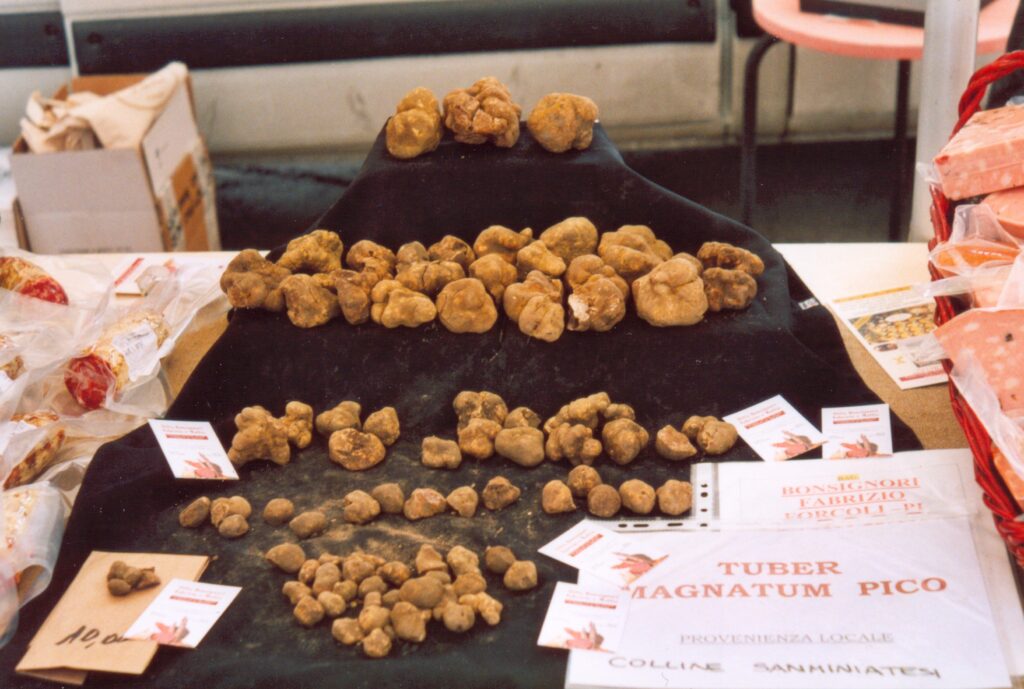
The name Alba white truffle refers to a particular culinary tradition and is associated with Tuber magnatum. The National Truffle Study Centre distinguishes truffle species through characteristics such as appearance and aroma, with laboratory methods available for identification. A pale exterior or a glamorous restaurant photograph is not enough to establish species or origin. Ask the seller to state both clearly.
Separate three different claims
- What is it?
- Look for the scientific species name on the product information. Fresh truffle, preserved truffle and a truffle-flavoured condiment are different purchases.
- Where was it harvested?
- Ask for a specific origin claim and supporting traceability, especially when the selling language emphasises Alba.
- What condition will arrive?
- Request details of dispatch, packing, expected arrival and the seller’s process if the ingredient arrives in poor condition.
Keep those questions separate. A seller may be able to identify the species without establishing that it was harvested in a particular district. A product may contain a named truffle species while most of the jar consists of another ingredient. Read the whole description and ingredients rather than allowing one prestigious word to stand for everything.
Use a specialist’s judgement for the specimen
The International Alba White Truffle Fair offers sensory-analysis sessions led by judges from the National Truffle Study Centre. That is a useful reminder that quality involves informed assessment. A casual buyer should not expect to judge a costly specimen from a small online image alone. A knowledgeable supplier who can explain condition and provenance is more useful than a listing filled with superlatives.
Ask whether the photograph shows the actual specimen, the current batch or a representative example. Confirm the sale weight and how the total will be calculated. If a supplier substitutes a different size, origin or species, you should know before agreeing to the purchase. Do not infer that a higher total necessarily represents better eating quality.
Keep the kitchen plan restrained
Decide how the ingredient will be served before it arrives. A straightforward dish gives you a clearer way to appreciate the truffle than a menu crowded with competing aromas. Ask your supplier for handling and storage instructions appropriate to the product supplied, and follow those instructions rather than a universal timetable copied from another species or format.
For a dinner party, have a complete meal that still works without the truffle. Delivery can be delayed and a fresh ingredient can fail a condition check. That fallback is not a lesser version of hospitality; it lets you reject an unsuitable delivery without feeling that the entire evening depends on using it.
When a different format is the sensible choice
A preserved product or flavoured butter may be easier for someone who wants a convenient pantry ingredient. It should be judged on its own ingredients, intended use and storage requirements. It is not evidence of what fresh white truffle tastes like, and a broad truffle label does not make two products equivalent.
For UK buyers, confirm the supplier’s delivery area and the rules relevant to any cross-border order before paying. The strongest purchase is a modestly scoped one: a correctly described ingredient, a reliable specialist, a clear serving plan and a total you are comfortable spending. If the seller cannot answer the identity and condition questions, keep looking rather than paying for the name alone.
Source notes: Centro Nazionale Studi Tartufo species guide; International Alba White Truffle Fair sensory-analysis information. Checked 22 October 2026.
More considered stories,
from the Liberad journal.