Count the hours you can actually enjoy
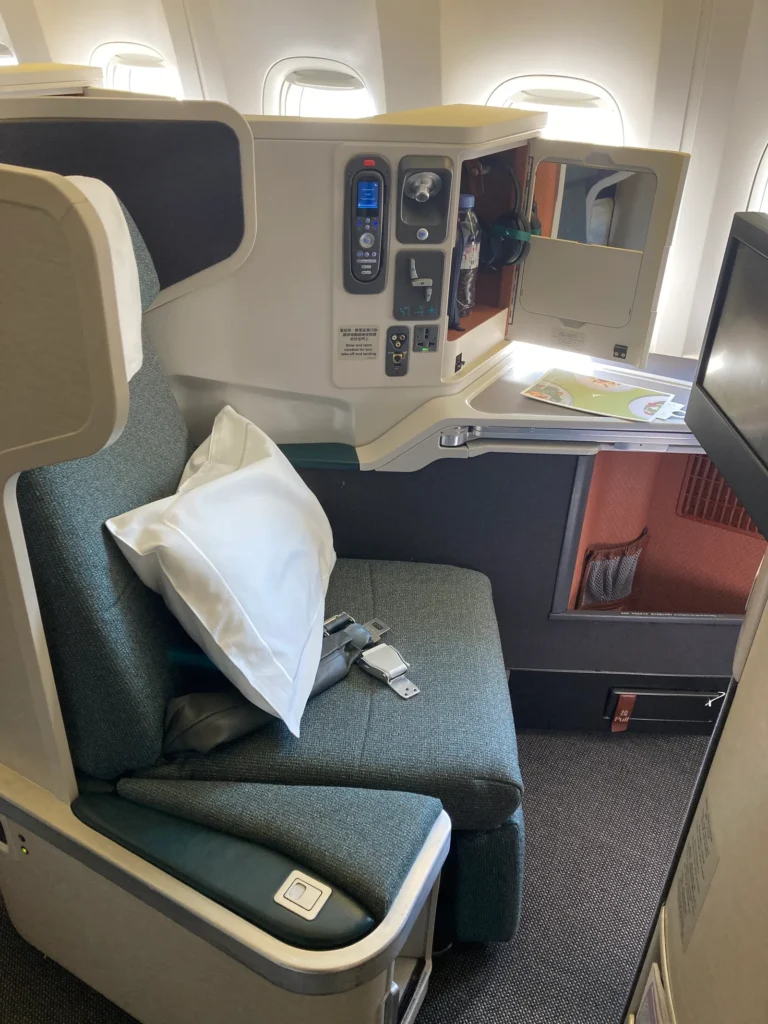
A short coastal break begins before the first view of the water. It begins with the journey you can comfortably make after a working week, and with the time you need to return. A beautiful destination can feel surprisingly brief when most of the stay is spent arriving, changing transport and preparing to leave.
Sketch the whole journey before choosing the hotel: the route to the station or airport, any connections and the final stretch to your accommodation. Use current timetables and leave space for ordinary delays. This is not an argument for always choosing the nearest coast. It is a way to see whether a particular trip gives you the kind of weekend you want.
Choose the base around your ordinary day
Think about the first hour after breakfast. Do you want to walk straight to the water, browse a town, or sit somewhere quiet with a book? A waterfront address may be less useful than a simple place close to the activity that brought you there. On a short stay, the practical relationship between the room, food and your main plan matters.
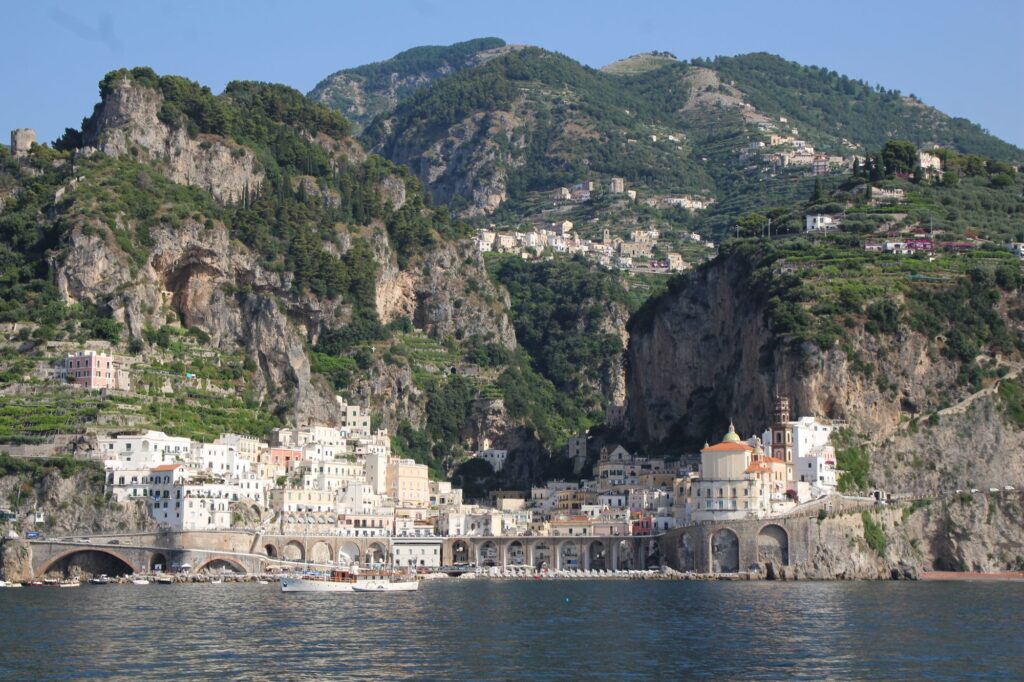
Check the actual map rather than the atmosphere of a photograph. A place can be close to the sea without having easy access to a beach or a convenient walking route. Read the accommodation description for steps, access, transport and any facilities you need. If a detail determines whether the stay will work, ask the provider to confirm it before booking.
Give each day one anchor
Choose one thing that would make the day feel worthwhile: a walk with a sea view, a slow lunch, a swim where conditions are suitable or time to explore a particular town. Build around that anchor and treat the rest as optional. A weekend does not have to reproduce every highlight from a longer itinerary.
For example, a Saturday centred on a coastal walk might need a convenient starting point, suitable footwear and somewhere to eat afterwards. Adding a distant attraction could turn the same day into a transport exercise. This is an illustrative way to organise time, not a route recommendation. Local conditions, opening hours and your own abilities still need checking.
Make a version of the trip for imperfect weather
A room can feel very different when it becomes the place you spend an afternoon. If the appeal of the booking depends entirely on sunshine, consider what you would enjoy if the weather changed. A comfortable shared space, a town within easy reach or a nearby indoor activity can matter more than another viewpoint on the list.
Check current local advice and forecasts before any outdoor activity, especially where the plan involves the coast or water. Do not assume a scene in a photograph establishes safe access or suitable conditions. For a quieter stay, check actual seasonal services and accommodation availability; a less busy destination may also have fewer places open.
Spend on the part that changes the stay
Compare the whole trip rather than the room price alone: transport, local connections, meals and any activity that is central to the visit. Then decide what deserves the larger share of the budget. A better location may remove a repeated journey; a more elaborate room may matter less if you plan to be out all day. Neither trade-off is universal.
Before booking, verify the exact dates, destination, access needs, cancellation terms and current travel requirements with the relevant providers. Keep one stretch of the weekend unallocated. The point of a short break can be the chance to notice where you are, and that is difficult when every hour already belongs to the next departure.
More considered stories,
from the Liberad journal.