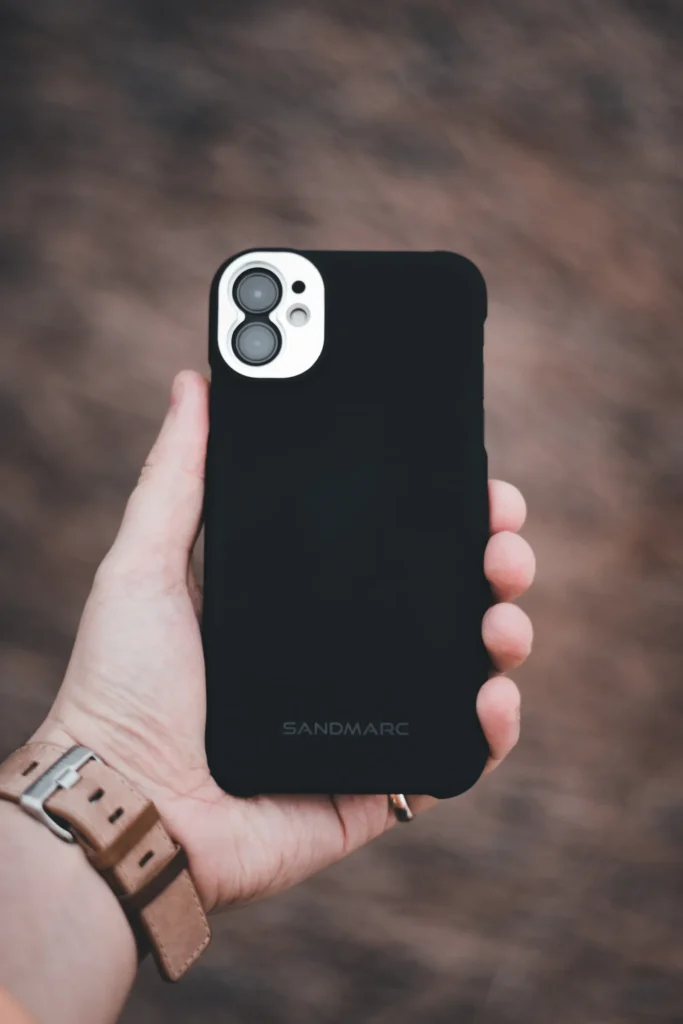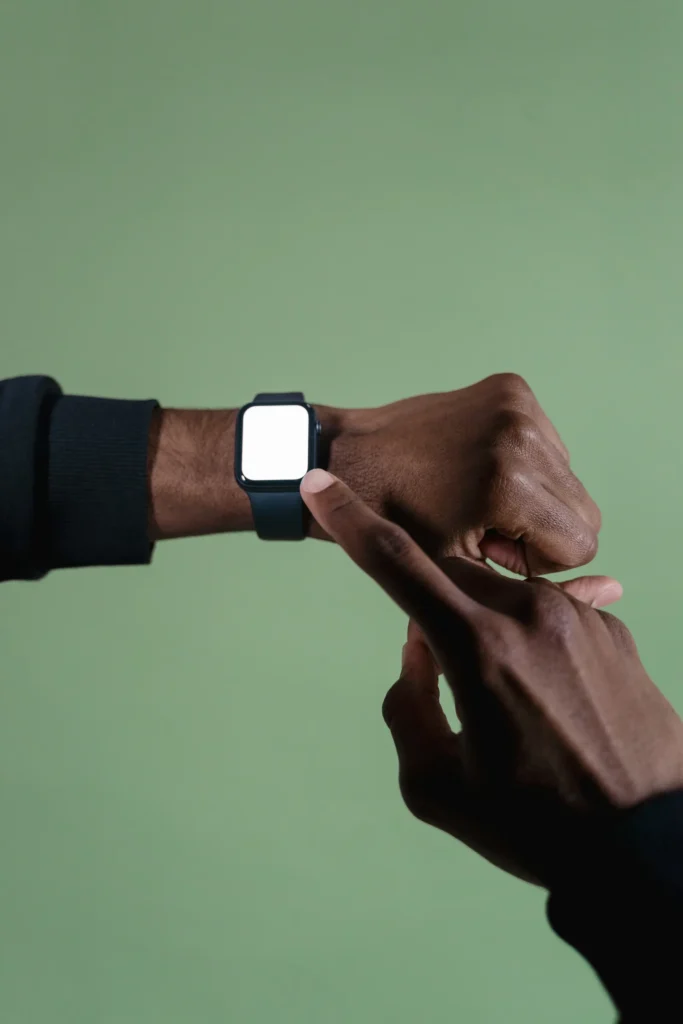
If a watch already records information you rarely open, moving the sensors to a finger may not solve the problem. Start by choosing the question you want a wearable to help with: a record of walks, a reminder during a run, or a more consistent view of your sleep routine. Then compare the form that makes that information easiest to collect and use.
Decide whether you want a screen
A watch can place information and controls on the wrist, while many smart rings rely on a phone app. That is an important practical difference even before accuracy is discussed. Someone who wants a visible pace display while running has a different brief from someone who prefers no screen beside the bed.
Think about notifications as well as measurements. A wrist device can be useful when it reduces the need to pick up a phone, but distracting if it adds another stream of interruptions. A quieter ring format may appeal for the opposite reason. Compare the actual model’s controls and app rather than assuming every watch or ring behaves the same way.
Fit is part of data collection
Comfort affects whether a device stays on. Try the maker’s sizing process for a ring and follow its instructions; do not assume the size of an ordinary jewellery ring will transfer exactly. With a watch, check the band, fastening and position during the activities you intend to record. Consider how you will clean and dry the item.
List the occasions when you would remove it, including work tasks, charging or an activity for which the maker advises removal. A device cannot record a period when it is in a drawer. The smaller or more discreet option is not automatically the one you will wear more consistently. Your hands, work and preferences determine that.
Compare functions individually
Make a table of the two actual models, not an abstract ring-versus-watch contest. Include the measurements offered, phone compatibility, data export, app access and the features available in the UK. A function described in a global launch article may have different local availability or eligibility. Check the current manufacturer information before treating it as part of the purchase.
Keep a numerical estimate, a trend and a diagnosis separate. Oura explicitly states that its ring is not a medical device and should not be used to diagnose or treat conditions. Other products and regulated features have their own intended uses, which must be checked individually. Do not use a consumer score as a reason to change medication, ignore symptoms or replace clinical advice.
Work out the cost beyond the hardware
Check whether the information you care about requires a subscription. Compare what remains available without it and whether a trial renews automatically. Add accessories, replacement chargers and any realistically required ongoing fee to the first-year cost. A cheaper device is not necessarily cheaper for the way you want to use it.
Read the privacy information before connecting health-related data. Check what is collected, where it can be shared, whether third-party integrations are optional and how export or deletion works. A reassuring dashboard is not a substitute for those choices. If you cannot understand the settings, ask the provider before enabling connections you do not need.
Choose a useful habit, rather than another score
Decide in advance what action the information might support, such as noticing an inconsistent bedtime or keeping a record of walks. If you already find tracking stressful or distracting, consider whether less measurement would be preferable. A watch suits some needs; a ring suits others. The better choice is the device whose actual functions, cost and wearing routine fit your purpose without giving its numbers more authority than they deserve.
More considered stories,
from the Liberad journal.