A quiet evening and a packet of face masks can make a simple routine feel like an occasion. The practical question is what the mask adds. A sheet, a rinse-off cream and a product labelled for overnight use are different formats, and leaving any of them on for longer is not a shortcut to a better result.
Start with the format printed on the pack
A sheet mask holds a liquid formula against the skin for the period stated by its maker. A rinse-off mask is intended to be removed as directed. A leave-on or overnight mask should only be used that way when its instructions say so. The appearance of the packaging or a rich texture does not establish the right contact time.
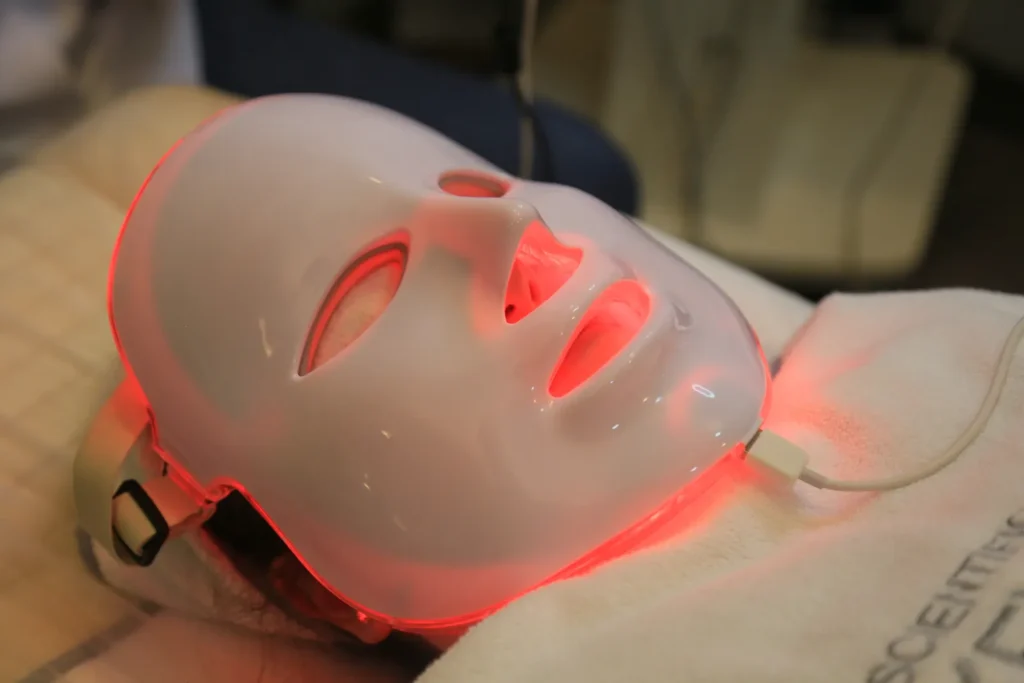
The sheet-mask format shown here is used for a labelled contact time, rather than automatically being left on overnight. Read the individual pack instead of assuming all face masks are interchangeable. Keep the directions available after opening, particularly if the outer box contains information missing from a single sachet. A familiar-looking sheet can still have different instructions from the one you used before.
Give the extra step one job
Decide whether you want a brief moisturising step, a particular texture or an occasional relaxing ritual. A single purpose is easier to judge than a promise to address every concern at once. The American Academy of Dermatology describes facial masks as optional additions and stresses that they do not replace a regular routine or treatment for a skin condition.
Look at the complete ingredient list and the products you already use that evening. Repeating similar exfoliating ingredients across several steps may increase the chance of irritation. Do not assume that using a mask, serum and treatment together will produce a better result than choosing one appropriate addition. A higher price or heavier jar does not establish that the combination suits your skin.
Use the label as a boundary
Follow the amount, frequency and contact time specified for the actual formula. Keep the product away from areas the instructions exclude. A mask that is comfortable for one person may be unsuitable for another, even when both describe their skin in similar terms. If you have a diagnosed skin condition or use prescribed treatment, ask your clinician before changing the routine around it.
The AAD advises trying a new mask on small areas first and washing it off if itching, burning or stinging occurs. Those sensations should not be treated as proof that the product is working. Seek professional advice if a reaction persists or your skin worsens. This guide does not attempt to diagnose a reaction or recommend a treatment for it.
Make the purchase fit the bathroom, too
A jar can suit someone who prefers to choose an amount, but may involve a different application and storage routine from a single-use sheet. A sachet is easy to pack yet creates packaging after every use. Consider the amount you will finish, the period-after-opening information and the storage directions. An appealing multipack can become wasteful when it contains several formulas you would never have chosen individually.
For travel, keep a product in its original labelled pack where possible and consider the destination’s climate and your changing routine. Trying several unfamiliar products during a trip makes it harder to identify what did not suit you. A familiar moisturiser may be the more useful item to pack than a new collection of masks.
A quieter way to decide
Choose one suitable format, follow its instructions and notice whether you enjoy the result without adding more steps to compensate. If your ordinary routine is already comfortable, a mask can remain an occasional pleasure rather than a requirement. There is no need for a ranked top ten when the more useful decision is whether this particular extra step earns its place at all.
More considered stories,
from the Liberad journal.